
We are inspired to generate a new, inclusive space designed for people, helping Viña del Mar recover its friendly and inclusive identity.
The area where the Las Salinas site is located is deeply connected to an industrial vocation that dates back to the origins of Viña del Mar.
The early development of the area has shaped its geography, defining the characteristics of its landscape and even altering its morphology. The name “Las Salinas” recalls its natural condition as a lagoon-like depression containing brines, which were traditionally harvested by hand during the summer. This natural resource would give rise to the site’s first vocation.
By the end of the 19th century, a project was promoted to extract salt on an industrial scale, but it did not succeed due to seasonal irregularities and the availability of the resource from northern Chile via the port of Valparaíso.
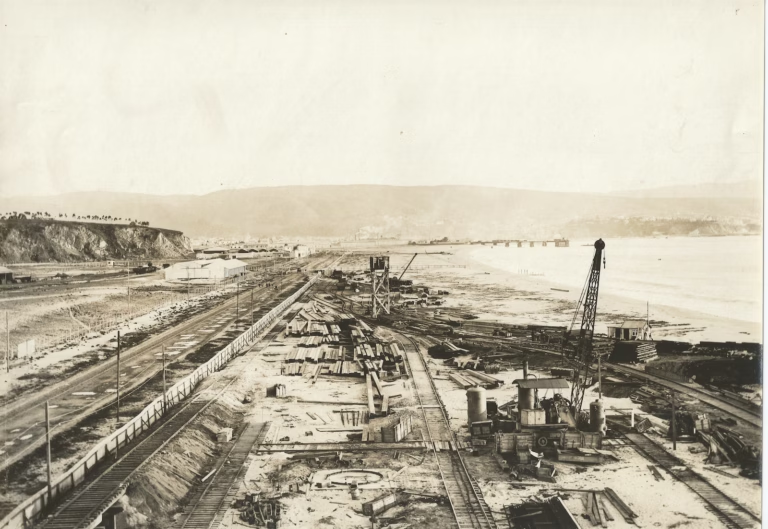
Subsequently, a brick factory was established on the site, connected by a railway through a tunnel known as “16 Norte,” which allowed the material to be transported and supplied for masonry works in bridges, coastal defenses, and railway infrastructure. This transformed the area into the most significant industrial sector of the city, completing the industrialization of Valparaíso Bay from Punta Ángeles to Punta Ossa.
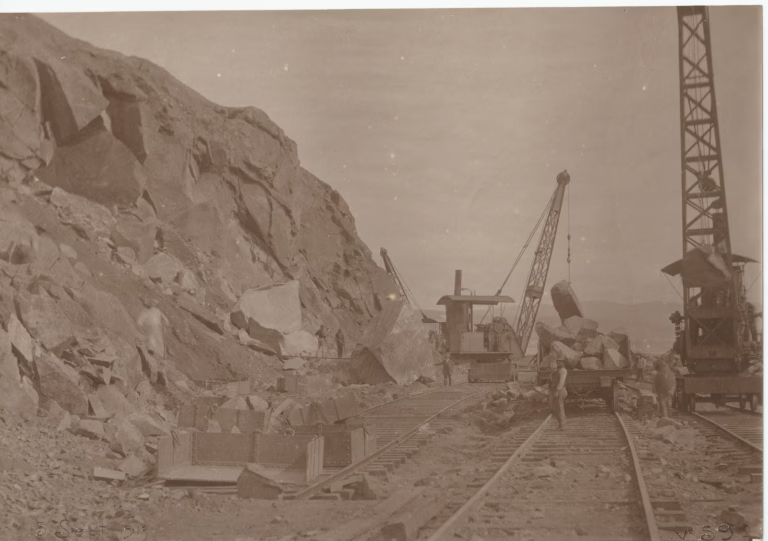
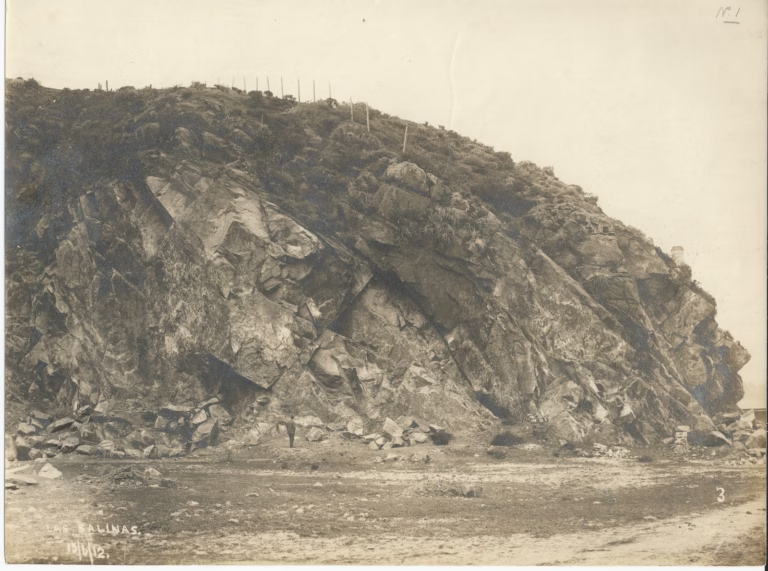
Since the early 20th century, these lands have hosted activities from various sectors, including railway, manufacturing, and metalworking industries, among others. One of the most significant was the use of the site’s rock formation as a quarry, from which most of the material was extracted for the construction of the Valparaíso port’s breakwater. This structure was built by the English firm Pearson & Sons between 1912 and 1924, and is considered one of the most remarkable engineering works of the first half of the 20th century in Chile.
The extraction of material for this project created a large quarry, which today corresponds to the slope of Las Salinas.
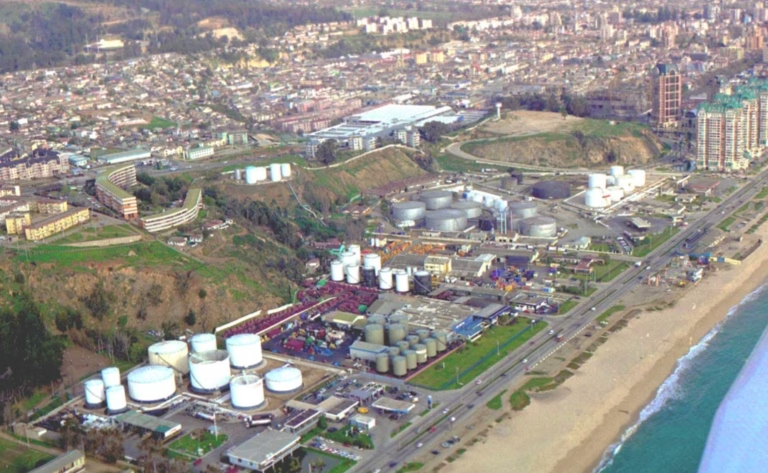
Starting in 1915, the first operations on the site were carried out by Shell and Esso, known collectively as “the oil companies.”
From 1930 onward, Copec established its presence, and by 1957, Mobil granted Copec exclusive representation in Chile. This led to the construction of a lubricant production plant, which became a key hub of industrial activity in the Valparaíso Region and the country.
The first service stations for retail fuel distribution by Copec and Shell were also built, and over time, the Sociedad Nacional de Oleoductos SONACOL joined, operating a connected pipeline distribution system to refineries, helping meet part of the energy demand in central Chile.
Over time, the industrial profile of the area began to be surrounded by activities linked to the environmental benefits of the coastline and its landscape, as beaches were gradually adapted for recreational use—starting with the construction of the old Recreo seaside resort in 1920.
By 1960, Viña del Mar began to consolidate itself as a tourist city, prompting urban expansion toward Reñaca. The closure of operations of “the oil companies” in 2003 marked the end of that industrial phase, initiating a transition process that would eventually lead to the site’s full integration into the urban fabric of the city.

Our Team
We are proud to move towards a better way of making the city, giving priority to quality of life and recovering spaces in an environmentally friendly and sustainable manner.
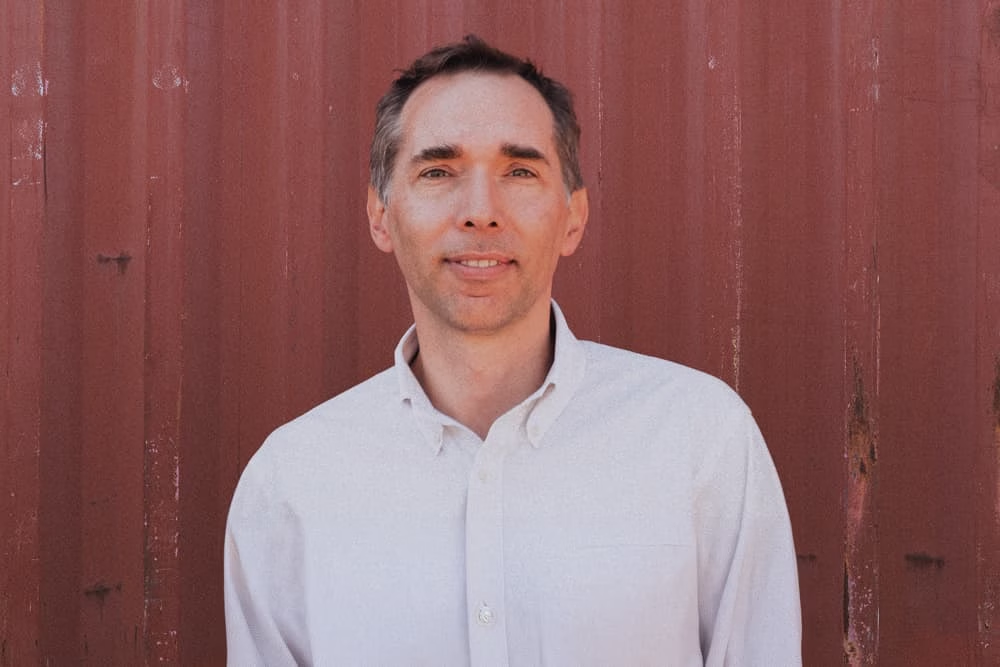
General Manager

Environmental Manager
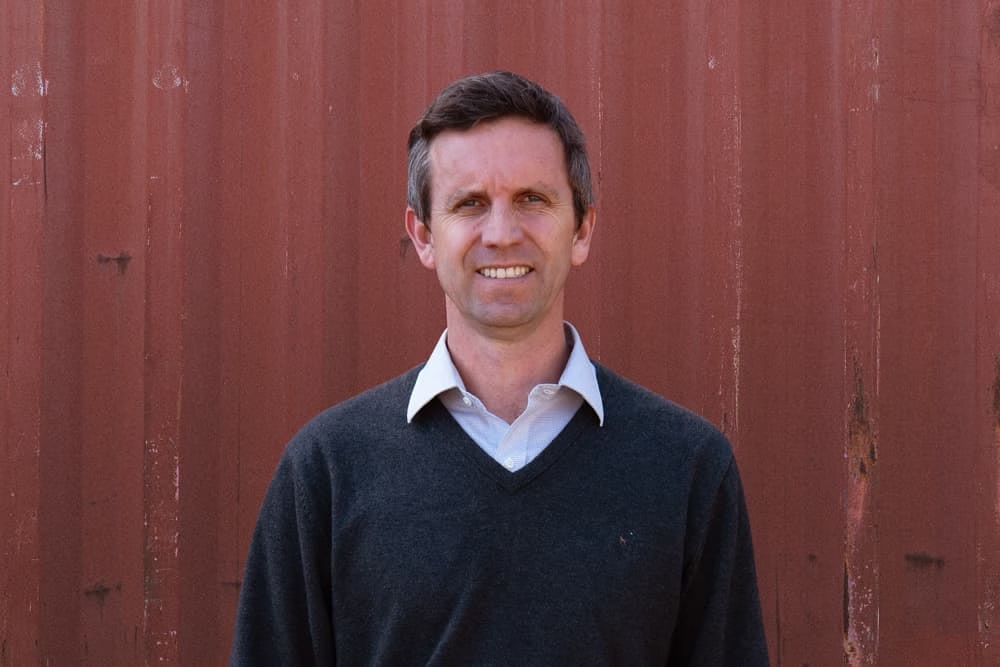
Real Estate Manager
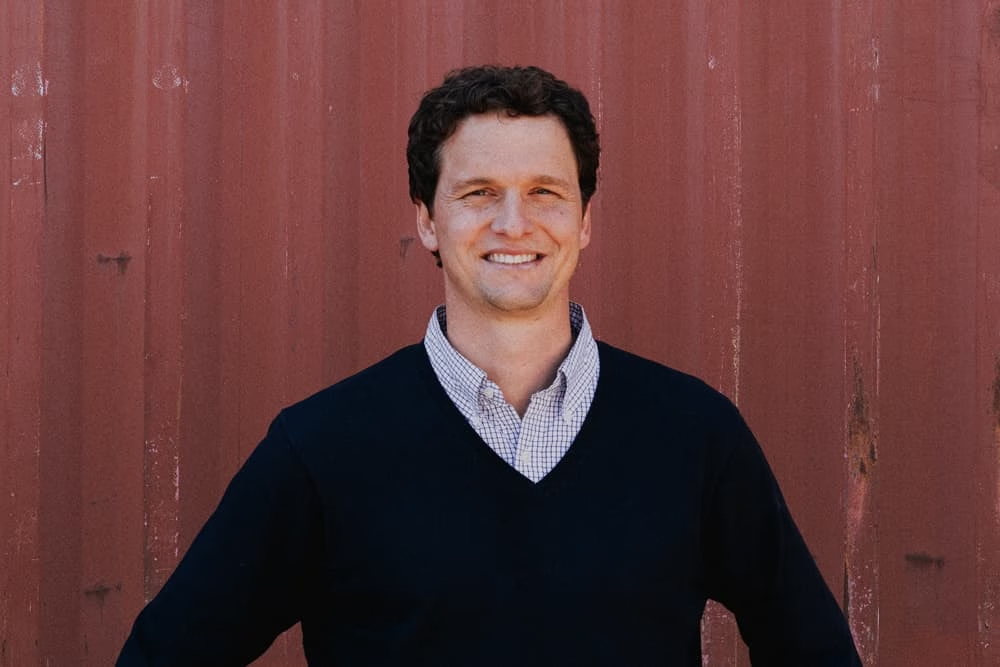
Head of Engineering and Construction
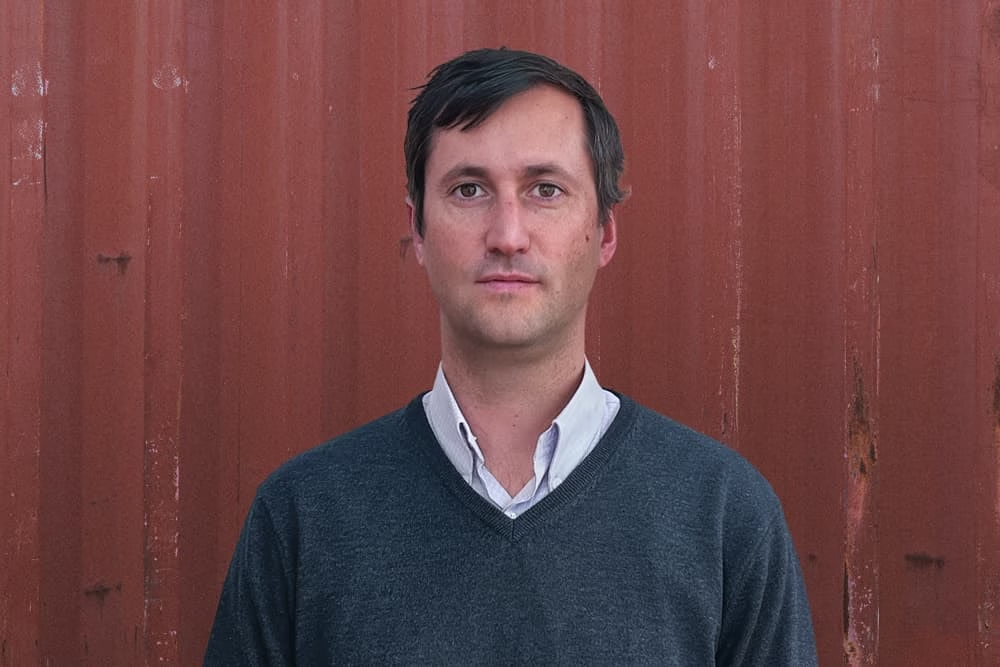
Administration and Finance Manager
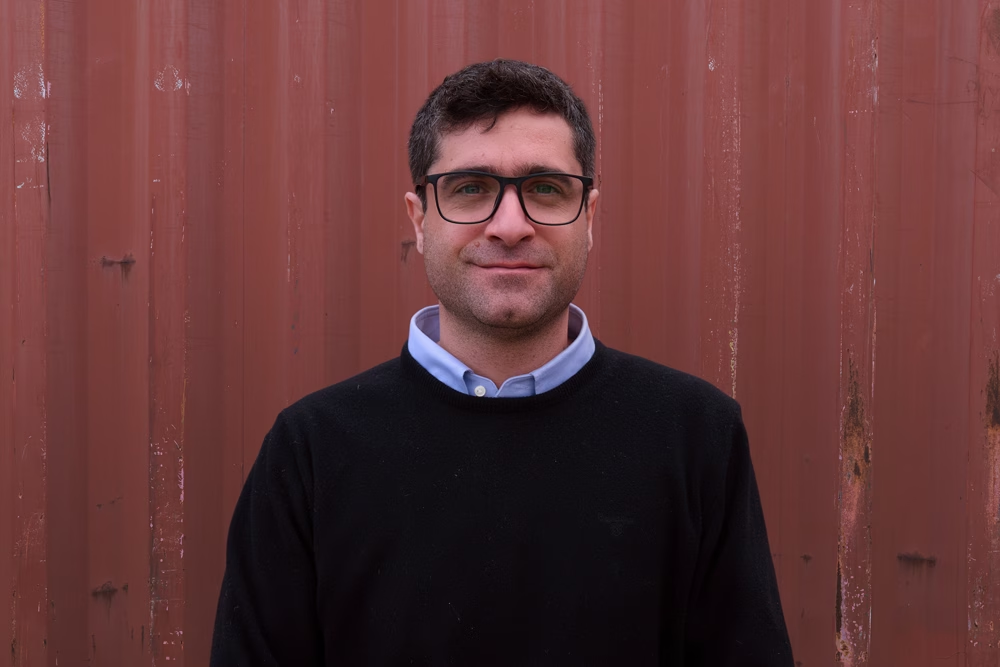
Corporate Affairs Manager

Head of Communications

Head of Community Relations
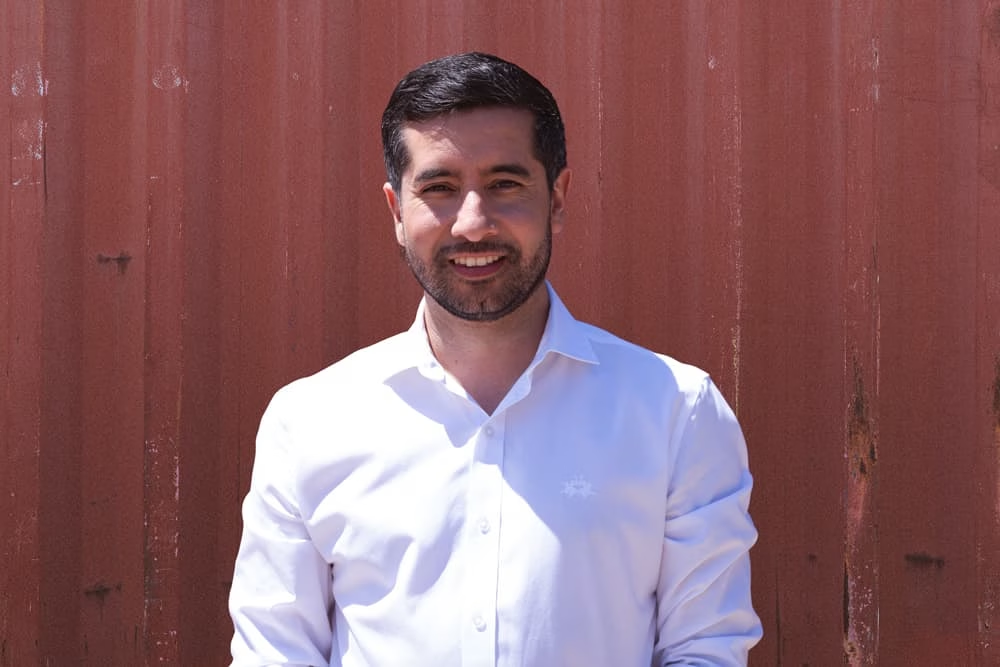
Head of Compliance
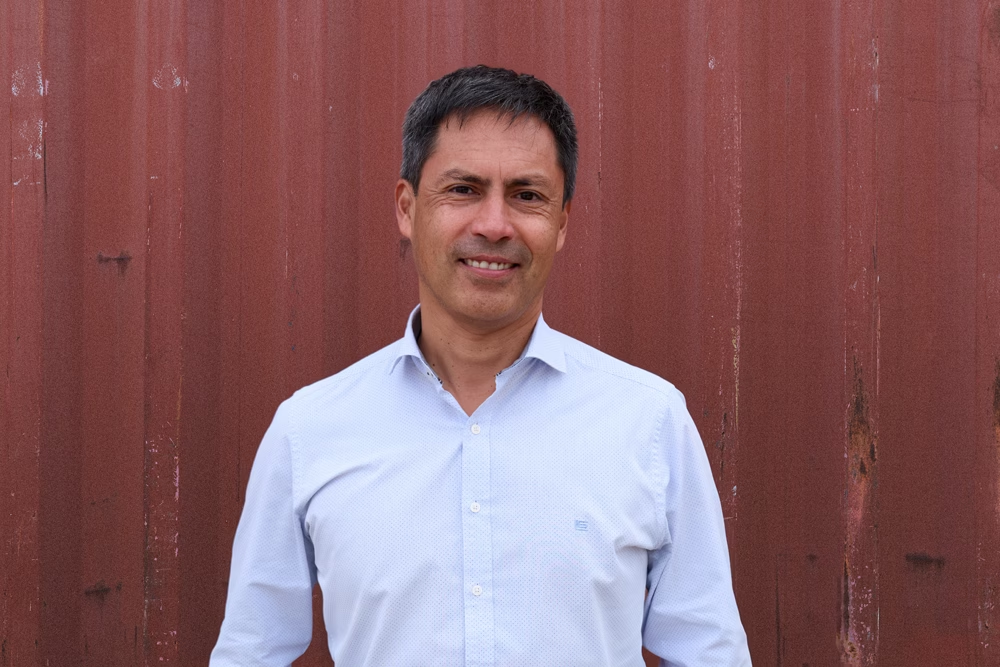
Urbanization Project Manager
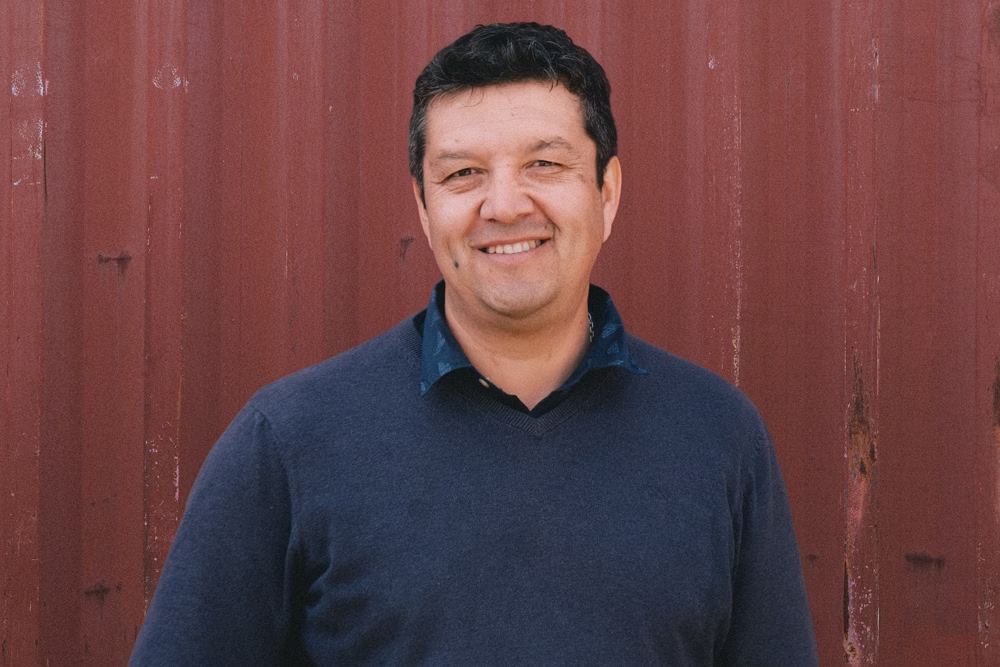
Field Administrator
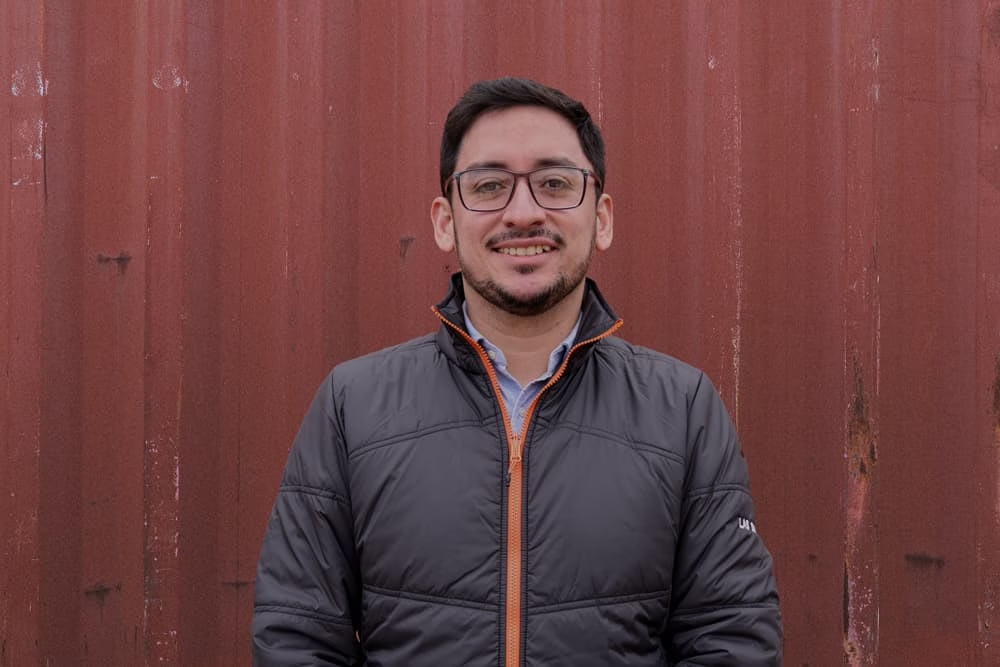
Engineering and Construction Coordinator

Management Control

Environment Coordinator

Engineering and Construction Coordinator

Community Outreach Coordinator

Community Outreach Coordinator

Corporate Assistant
Associated Institutions


The values with which we develop our operations are important to us, so we have enabled various channels so that anyone who has information or a query about a practice that constitutes a violation of ethical and legal regulations, can make their complaints directly to the highest level of the company.
Contamos con un canal confidencial para realizar denuncias de manera segura y responsable.


